

Beat The Heat: Can A Wine Guy Turn Spirits Pro?
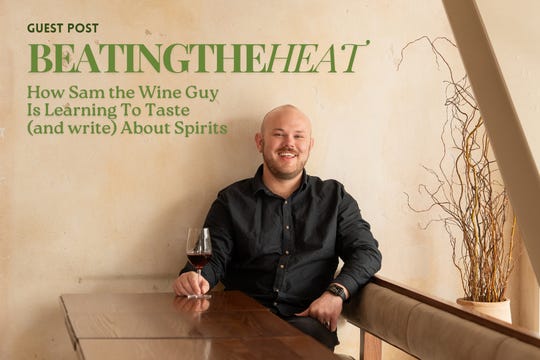
Sam Waghorn-Wright has spent years tasting wine, but stepping into the bold world of spirits has meant rethinking, relearning and reimagining the tasting (and writing) experience.

Guest Post: Sam Waghorn-Wright - Wag & Co.
The Job That Trained My Palate
I’ve spent years tasting wine.It comes with the territory. I worked in wine with my whānau at Astrolabe Wines in Marlborough as their national sales manager, before starting Wag & Co in 2018, and tasting has been a pretty constant part of my working life ever since.
When you’re trying to sell a wine, train a restaurant team or explain to someone why one Pinot Noir is worth $55 and another is $25, “it’s delicious” doesn’t really cut it. You need to understand what makes a wine unique and more importantly, communicate that point of difference without disappearing too far down the wine-bullshit rabbit hole.
Thousands of glasses, countless tasting notes and enough vineyard visits later, I’ve learnt that tasting isn’t really about whether you like something. It’s about observation. Structure. Balance. Learning to separate what your pre-conceived ideas and expectations are from what you’re actually experiencing. That’s the crucial shift from subjectivity to objectivity.
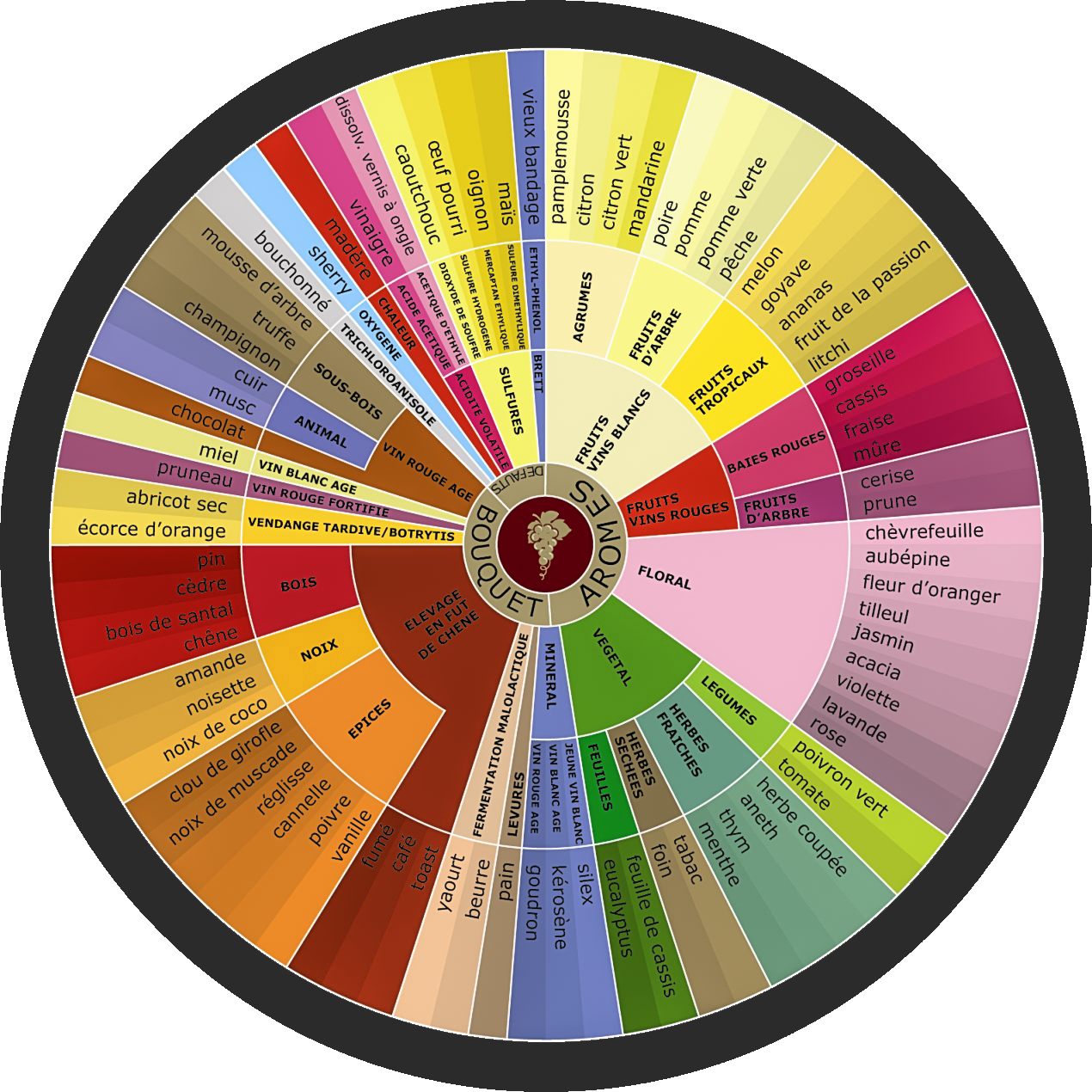
My wine tasting brain had become pretty well trained. I’d work through aroma first, then fruit, acidity, tannin, texture, length and finish. There was a familiar framework to it. Taste a Marlborough Sauvignon Blanc and I knew roughly where to start looking. Taste a Pinot Noir and I’m thinking about red and dark fruit, tannin, acidity, oak, savoury characters and how all of those things sit together.
Then I started bringing more premium New Zealand spirits into the Wag & Co portfolio and suddenly needed to be able to talk and write about those with the same confidence.
I thought those skills would transfer seamlessly. Newsflash: they didn’t.
Getting Past the Heat
The first thing I had to learn was to stop focusing on the alcohol.
It sounds ridiculously obvious now, but when you go from regularly tasting wines at 12-14% ABV to putting your nose into a glass of gin, rum or whisky at 40% and above, your first reaction can simply be: alcohol.
With wine, alcohol is usually one component among many. In spirits, the heat dominates if that’s all you’re looking at. It took time to realise that alcohol isn’t the flavour. It’s carrying everything else — aromatic compounds, esters, botanical oils and congeners that can give you everything from fruit and florals through to spice, earth, smoke and savoury characters.
I had to almost consciously tell myself: get past the heat. What’s actually in there?
Once I did, an entirely different world opened up.
Texture, Reconsidered
Texture obviously exists in wine — tannin, acidity, alcohol, lees influence and residual sugar can all completely change how a wine feels on the palate — but in spirits, it seemed amplified. A spirit can feel incredibly light and clean, or viscous, oily and mouth-coating. Some have this almost creamy weight through the middle of the palate before finishing completely dry.
Vodka was probably one of the best examples of challenging my assumptions. I’d always thought of vodka as being intentionally neutral, and therefore not particularly interesting to taste. Working with ChiChi Vodka, made by Mikey Ball at Woodward Street Distilling, changed that. It’s made from wheat, coconut and koji, and there’s a creamy, almost cereal-like texture to it that made me realise texture can actually be one of the defining characteristics of a spirit, even when the flavour profile itself is deliberately restrained.
Then there were the aromas.
Instead of primarily fruit-driven profiles — berries, citrus, stone fruit, passionfruit — or more savoury-driven profiles with smoke, earth and mushrooms, I found myself looking much further afield for descriptors snd language: citrus peel, fresh herbs, resin, native botanicals, spice, florals, earthiness and subtle savoury notes. Every spirit seemed to tell a different story depending on what it was made from, how it was distilled, what botanicals were used and, where relevant, how it had been matured.
Relearning Flavour, Spirit By Spirit
Gin taught me that juniper is only the beginning of a complex story.
I’ve spent a lot of time tasting New Zealand gin now and that’s probably where the botanical side of spirits really clicked for me. Juniper might provide the essential resinous framework, but what’s happening around it can completely change the experience — citrus can lift it, roots can add earthiness and dryness, florals can add perfume and native botanicals introduce entirely new directions. Even how much of something you use matters. More botanicals doesn’t necessarily mean more flavour or complexity. Sometimes restraint is what gives everything else room to show itself, because too much of one ingredient overpowers the others.
Whisky (and bourbon) taught me that oak contributes far more than vanilla and caramel. Nowhere Bourbon, imported and finished by South Street Imports, has been a super interesting example for me. It spends more than five years in heavily charred new American oak barrels, before being shipped to New Zealand and being finished in Decibel Pinot Noir barrels. Coming from a wine background, that immediately caught my attention and made sense to me — but tasting how it actually changed the bourbon was completely unexpected.
The American oak brings those familiar dark sweeter notes, caramel, spice and charred character, while the Pinot Noir barrels add another lifted layer of red fruit, subtle brambly savouriness and texture. It challenged me to start thinking about oak less as a flavour and more as an ingredient — something that can fundamentally change the shape and character of the spirit.
Applying the same tasting protocol to rum showed me that sweetness isn’t always sugar. Something can smell incredibly sweet — molasses, caramel, tropical fruit, vanilla — while actually finishing relatively dry. Separating the perception of sweetness from actual sweetness was another adjustment for a palate so used to residual sugar in wine.
Learning to Slow Down
The biggest lesson, though, has been learning to slow down.
A spirit doesn’t reveal everything in the first sniff or sip. In fact, attacking a glass the way I might attack a wine is a pretty good way to smell nothing but ethanol.
I’ve learnt to give it some space. Nose from a little further away. Go back to it. Take a small sip. Let the initial alcohol settle. Add a few drops of water where appropriate and see what changes. Revisit the glass five or ten minutes later.
Sometimes something that initially seemed incredibly spirituous suddenly gives you citrus, spice or florals that you couldn’t find at all when it was first poured.
Writing About How A Spirit Tastes
Writing tasting notes has changed too.
With wine, I was used to leaning on familiar descriptors and following a fairly established order.
(From the Editor: A typical savvy blanc wine note would run: pale straw, water-white rim, high intensity, youthful. Nose — passionfruit, gooseberry, cut grass, a flick of capsicum, no oak influence. Palate — dry, high acidity, medium-minus body, flavours mirroring the nose, medium length, clean finish. Then the summary judgement: good quality, drink now, ready for the export market or the wine list at the door.)
Spirits have forced me to expand my vocabulary and, probably more importantly, trust my own senses.
Now I’ll generally start by trying to ignore what I know about the product/brand. I’ll nose it, think about the first aromatic impression, then start pulling it apart. What’s bright? What’s earthy? Is there spice? Fruit? Florals? What happens when I taste it? How does it feel? Where does the alcohol sit? What stays behind after I’ve swallowed it?
Sandymount’s Tī Kōuka Forest Gin, made by Richard Wilson at Sandymount Distillery, is a good example. Rather than simply writing “juniper-forward gin,” I can start thinking about what the other botanicals are bringing to the spirit. In this case, the use of six native botanicals. Learning about what these do and how they change the aroma and flavour profile. Is there freshness? Earthiness? Something resinous? How does the texture change the way those flavours present themselves? And what is still there 20 seconds after I’ve swallowed it?
That’s become far more interesting to me than trying to produce a shopping list of flavours.
There’s also no single correct answer. If you genuinely smell green cardamom, fresh lemon myrtle or toasted almond, that’s worth exploring rather than second guessing yourself. Someone else might find something completely different, and that’s fine.
Still Learning
Perhaps that’s what’s made the journey so enjoyable.
Learning to taste spirits hasn’t replaced what I know about wine. It’s added another layer. It’s also reminded me that tasting is a skill that never stops developing, no matter how much experience you think you have.
For anyone wanting to get better at it, I’d start by tasting things alongside each other. Two gins. Two whiskies. Two rums. Don’t worry about whether you can name every aroma. Ask simpler questions first. Which is heavier? Which smells brighter? Which feels sweeter? Which has more spice? Where do you feel the alcohol? What flavour is still there 30 seconds later?
Then go back and try to work out why.
One of the things I’m still learning is how much balance can come from what isn’t there. Particularly with gin, I’ve started noticing that throwing another botanical into the mix doesn’t necessarily make something more interesting. Sometimes the clever bit is knowing when to stop.
Wine taught me to look for complexity.
Spirits are teaching me that complexity and intensity aren’t the same thing.

Sam Waghorn-Wright
sam@wagandco.nz
Editor’s Note:
Guest posts and submissions are always welcome here at More Good Drinks. Whether it’s a personal experience, an opinion of the day or a story worth sharing, from time to time (when I think people will appreciate a fresh perspective or opportunity), I’m happy to open the writers panel. Feel free to send me a message with your contribution, story idea or who you’d love to hear from. - Tash
 | A guest post by
|